Email Template Manage Module For CRM

Trade Job Management Module for CRM: A Complete Guide
In today’s business environment, managing trade jobs effectively has become essential for companies that deal with service delivery, contracting, repair works, and maintenance operations. A CRM is no longer limited to managing customer interactions but is now a comprehensive tool that supports job assignments, workforce planning, real-time communication, and customer satisfaction tracking. This is where the Trade Job Management Module for CRM comes into play, offering a robust solution for businesses that want to streamline their operational processes and provide seamless trade job services.
Introduction to Trade Job Management in CRM
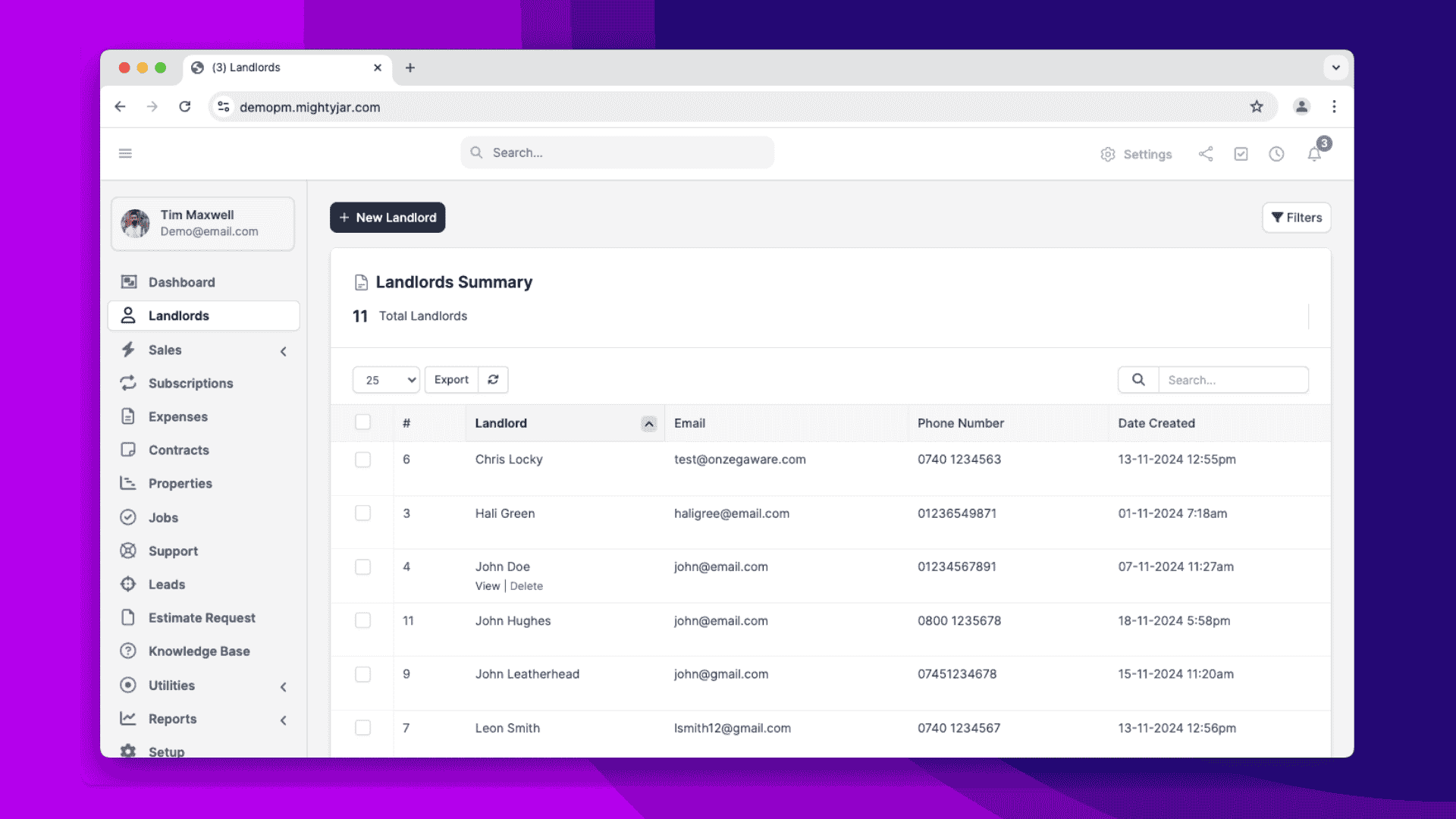
Trade job management is the practice of organizing, assigning, and tracking jobs related to fieldwork, technical services, or project-based tasks. Businesses like construction companies, plumbing services, HVAC maintenance providers, electricians, and IT service firms rely heavily on accurate job management. Traditional manual tracking methods are prone to errors, delays, and miscommunication. CRM-integrated job management ensures that every request from a client can be captured, scheduled, assigned to the right technician, and tracked until completion.
Why Businesses Need a Trade Job Management Module
For service-based industries, customer experience is largely influenced by how efficiently their jobs are handled. A dedicated Trade Job Management Module inside CRM provides transparency, reduces human errors, and saves operational costs. Businesses can also ensure that the right technicians are assigned to jobs based on skillsets, location, and availability. Customers can track the status of their jobs and receive updates, which increases trust and satisfaction. Moreover, management can analyze data on completed jobs, response times, and workforce efficiency.
Core Features of a Trade Job Management Module
A well-designed CRM module for trade job management comes with a variety of features:
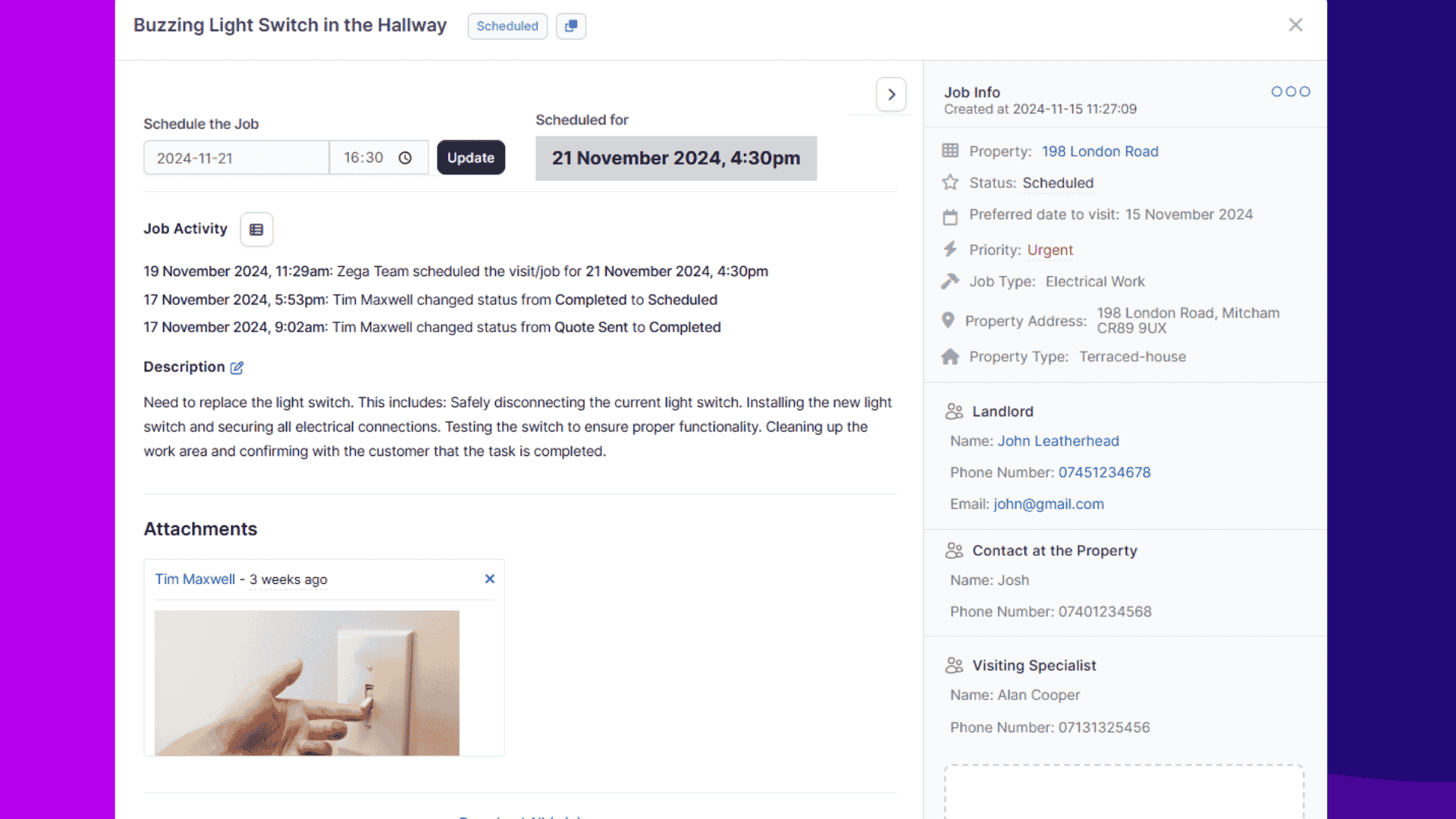
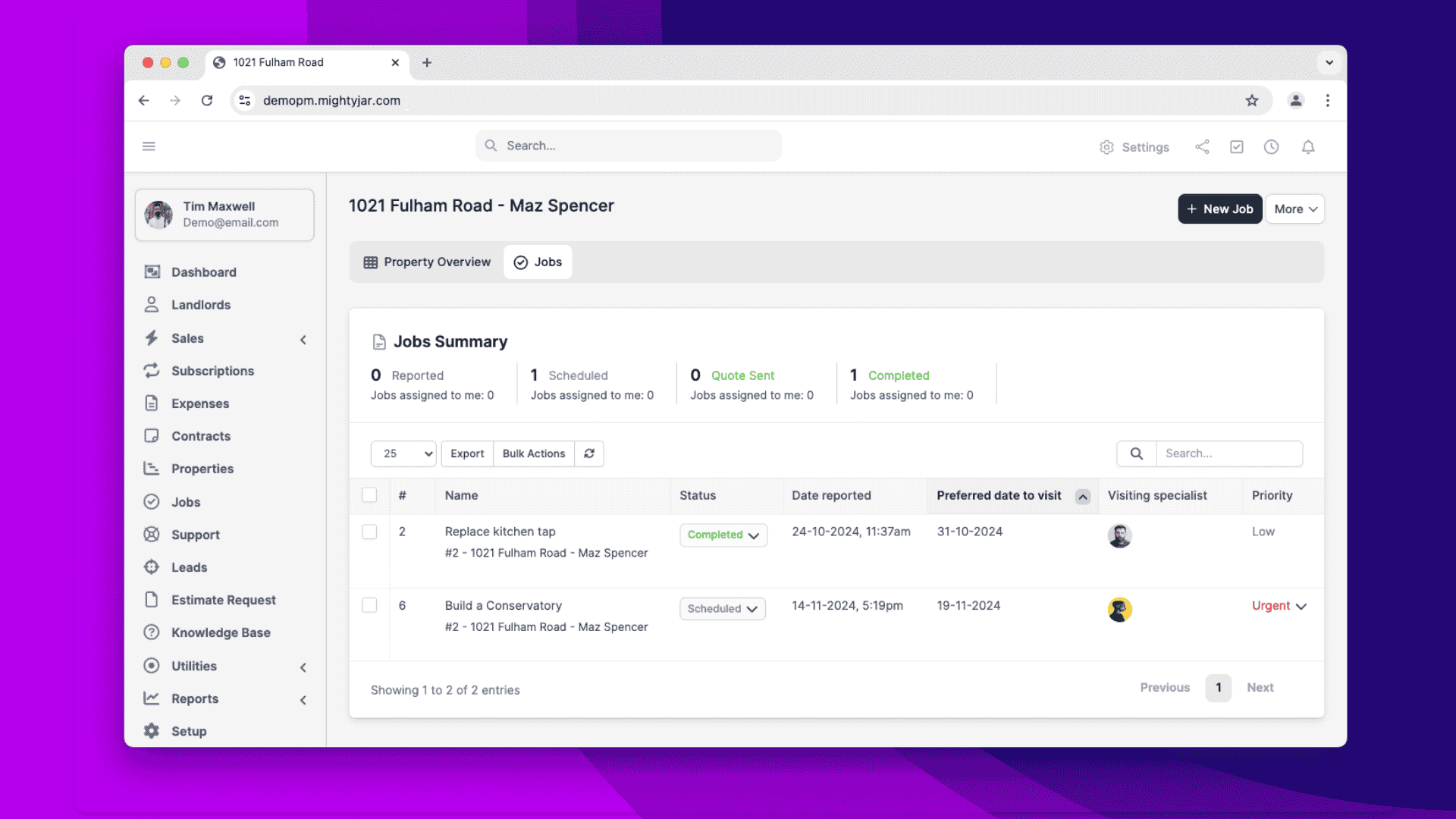
1. Job Scheduling: Admins can create job schedules with specific timelines, locations, and assigned staff members. This ensures no overlapping and avoids missed deadlines.
2. Job Assignment: Jobs can be auto-assigned based on pre-defined rules or manually assigned to technicians with the right expertise.
3. Customer Portal: Customers can log in to check the status of their service requests, upcoming appointments, or completed jobs.
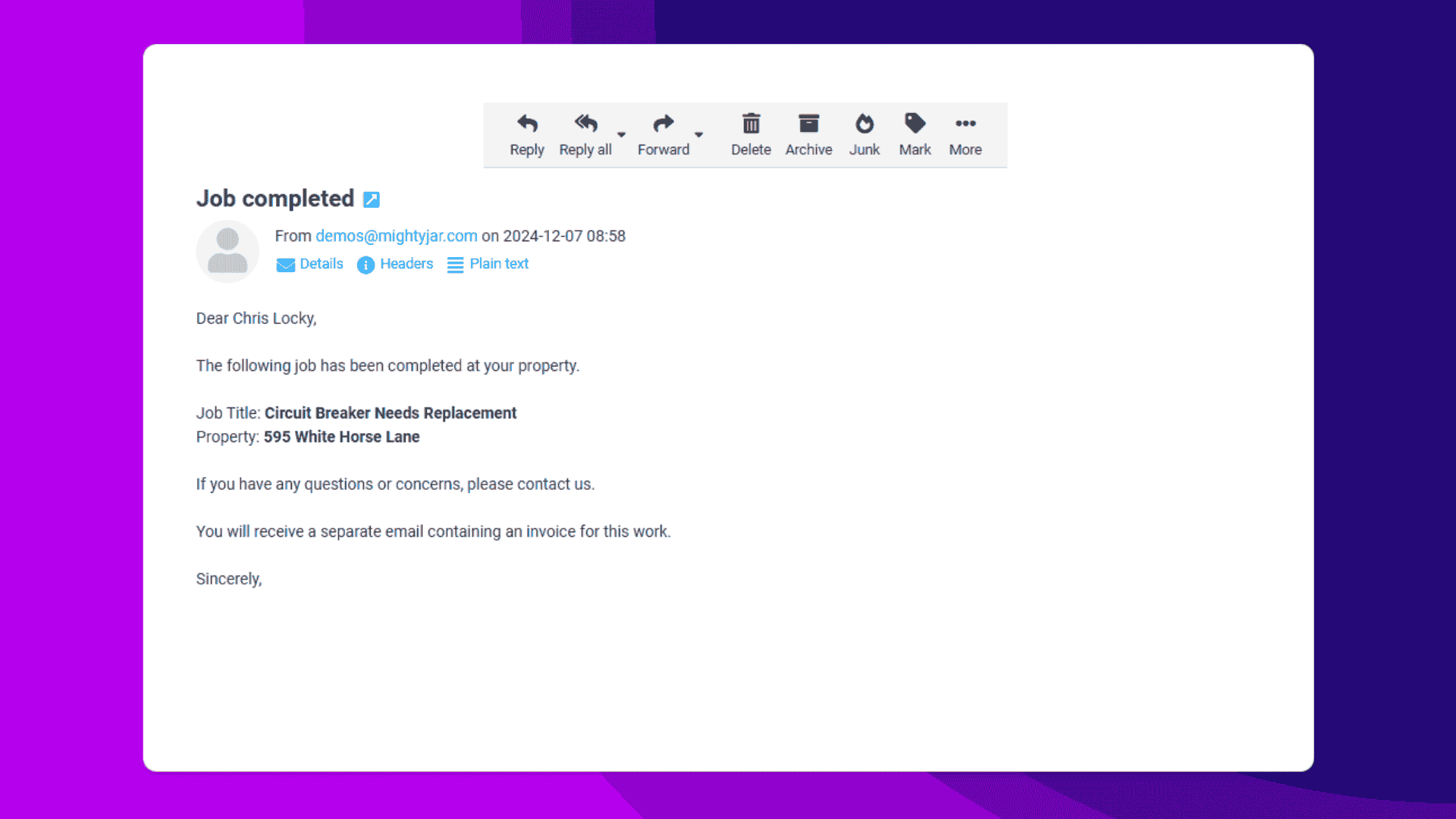
4. Real-Time Notifications: Both customers and staff can receive real-time alerts via email, SMS, or WhatsApp whenever there is a new update on a job.
5. Job Tracking: Admins and staff can track the progress of each job in real time, including technician location and job completion stages.
6. Invoicing & Billing: Once a job is completed, the system can automatically generate invoices for clients, saving time and ensuring accurate billing.
7. Reporting & Analytics: Data insights help managers understand job performance, staff efficiency, and revenue contribution from trade jobs.
Benefits of Trade Job Management Module for CRM
Implementing this module provides numerous benefits:
• Improved Efficiency: Automation reduces manual errors and ensures
jobs are properly scheduled and completed.
• Customer Satisfaction: Transparency in job progress keeps customers
informed and builds trust.
• Workforce Optimization: Jobs are assigned to the right staff based
on skills and availability.
• Faster Payments: Automated invoices mean faster billing cycles
and better cash flow.
• Data-Driven Decisions: Reports help in identifying bottlenecks,
top-performing employees, and areas for improvement.
Industries That Benefit from Trade Job Management CRM
The Trade Job Management Module is versatile and can be applied across industries such as:
• Construction companies
• Plumbing and electrical contractors
• Cleaning and maintenance services
• IT and networking service providers
• HVAC installation and repair companies
• Landscaping and outdoor service companies
Future of Trade Job Management in CRM
The future of this module lies in integrating Artificial Intelligence (AI) and Internet of Things (IoT). AI can predict the best job assignments and optimize schedules, while IoT devices can provide real-time equipment status and reduce downtime. Mobile-friendly CRM apps will make job management even more efficient by enabling technicians to update job statuses on-site.
Conclusion
A Trade Job Management Module for CRM is not just an add-on—it is a necessity for service-oriented businesses that aim to streamline operations, increase customer satisfaction, and improve financial outcomes. By implementing this solution, businesses like those partnering with TTINFOTECHS can stay ahead in the competitive market and deliver exceptional service every time. The integration of trade job management into CRM ensures a seamless workflow from customer request to job completion and billing, creating a unified system that benefits both customers and businesses alike.
Build a Clear Roadmap to Online Growth

Build a Clear Roadmap