

Testimonials and Reviews for CRM

Testimonials and Reviews for CRM: Building Trust and Driving Business Growth
Customer testimonials and reviews have become one of the most powerful tools in the digital marketplace. Whether it is a small startup or a global enterprise, businesses rely on the voices of satisfied clients to build trust, credibility, and long-term relationships. In the context of Customer Relationship Management (CRM), testimonials and reviews are not just feedback — they are strategic assets that influence buying decisions, enhance customer loyalty, and showcase the true impact of CRM systems. This blog, presented by TT Infotechs, explores how testimonials and reviews can be leveraged in CRM to create lasting value, boost brand reputation, and drive measurable business growth.
The Importance of Testimonials and Reviews in the Digital Age
Modern customers are no longer solely influenced by advertisements or traditional sales pitches. Instead, they look for authentic voices and real experiences from people who have already used the product or service. Testimonials and reviews serve as the social proof that validates the promises a brand makes. According to research, more than 90% of customers read reviews before making a purchase decision, and nearly 80% trust online reviews as much as personal recommendations. This makes testimonials and reviews a vital part of any CRM ecosystem.
For businesses using CRM platforms, integrating testimonials and reviews directly into the system allows organizations to gather, manage, and utilize this feedback effectively. It ensures that every positive customer experience becomes a marketing asset and every constructive review becomes an opportunity for improvement.
How Testimonials Strengthen CRM Strategies
Testimonials are powerful statements from customers who share how a company’s services or products have helped them. When integrated into CRM, testimonials do more than just provide positive words — they serve as real-world evidence that strengthens trust and influences potential buyers.
For example, when a client shares how TT Infotechs’ CRM modules streamlined their customer support and improved efficiency, that testimonial becomes a case study in itself. CRM systems can store and categorize these testimonials, making them accessible for marketing teams, sales departments, and even customer service agents who want to showcase the company’s proven track record.
The Role of Reviews in Enhancing CRM Value
While testimonials are curated and often highlight success stories, reviews provide unfiltered feedback from users. They can be positive, negative, or neutral, but each review has value when managed effectively in a CRM. Positive reviews act as endorsements, while negative reviews create opportunities to demonstrate excellent customer service by responding quickly and resolving issues.
CRM systems allow companies to centralize reviews from different platforms — social media, e-commerce sites, Google Business profiles, or internal feedback forms. This centralized data can then be analyzed to identify customer satisfaction trends, track recurring issues, and ultimately improve the customer experience.
Testimonials and Reviews as Social Proof
One of the biggest challenges in today’s competitive digital market is convincing potential customers to choose one company over another. Social proof is a psychological concept where people rely on the experiences and opinions of others to make decisions. Testimonials and reviews are the most effective forms of social proof for CRM-driven businesses.
When potential customers read testimonials about how TT Infotechs’ CRM solutions helped companies automate sales workflows, improve customer support, and drive revenue, they are more likely to trust and engage. Social proof not only influences buying behavior but also creates a ripple effect where satisfied customers become brand advocates.
Collecting Testimonials and Reviews Through CRM
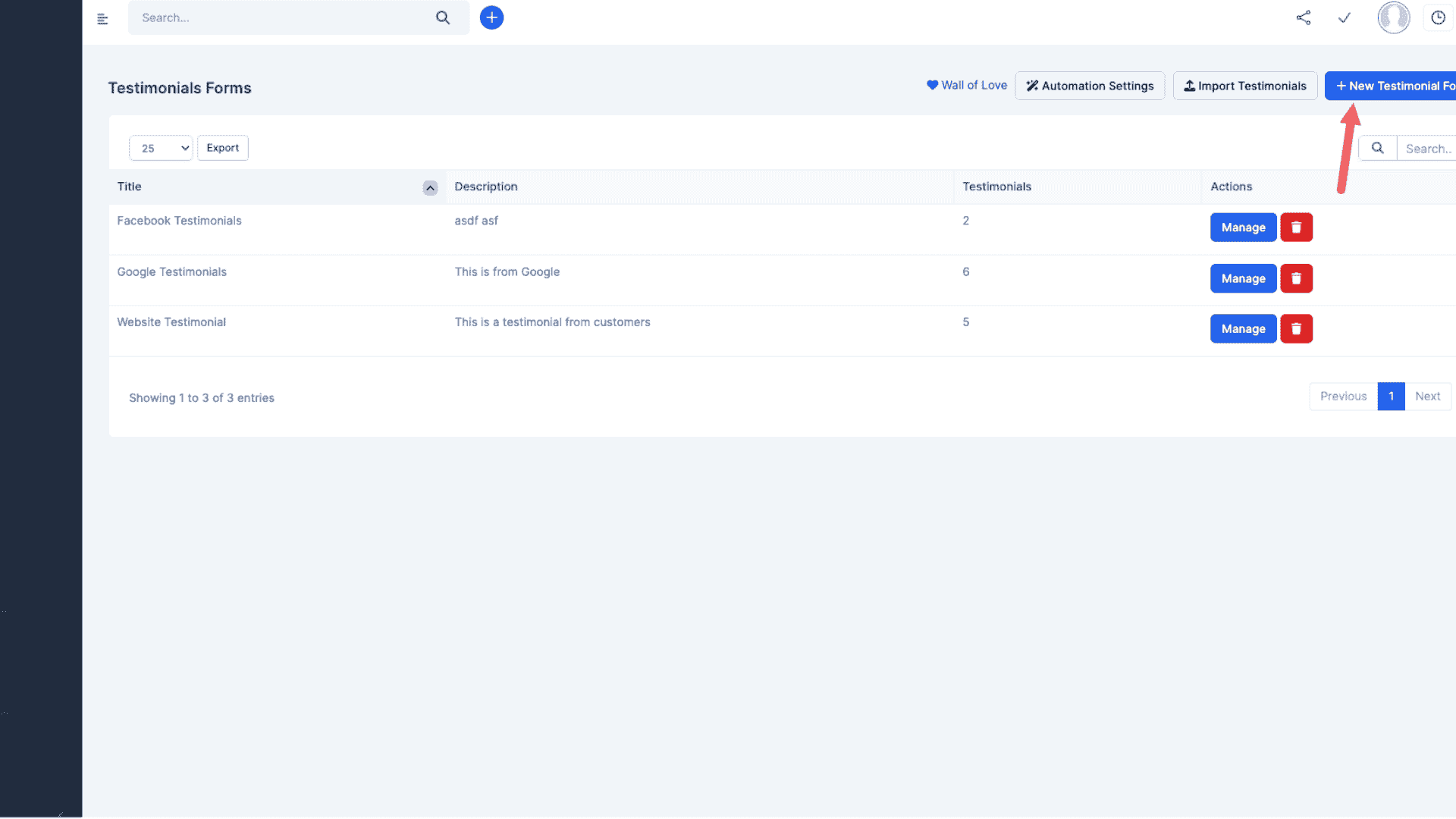
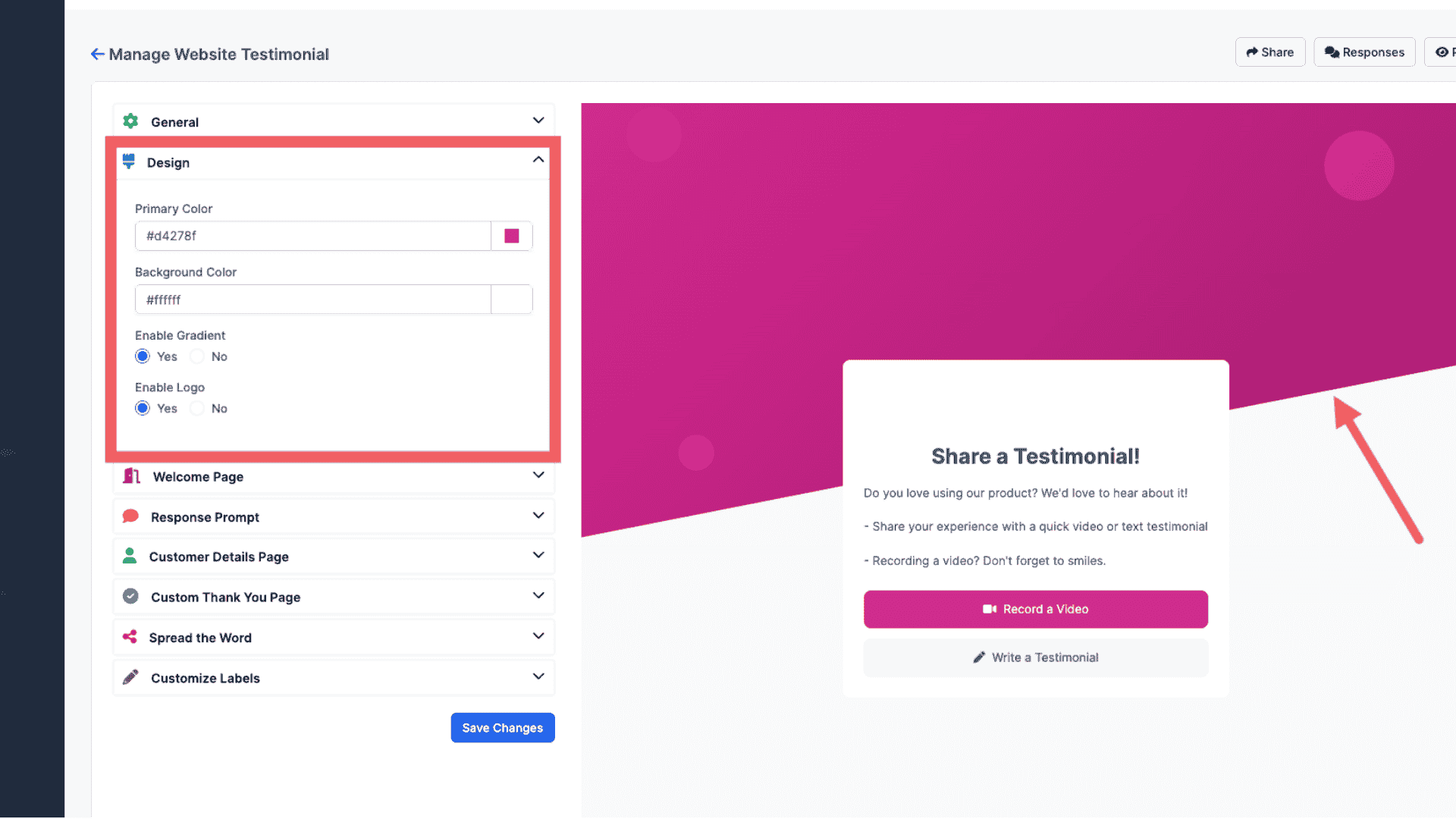
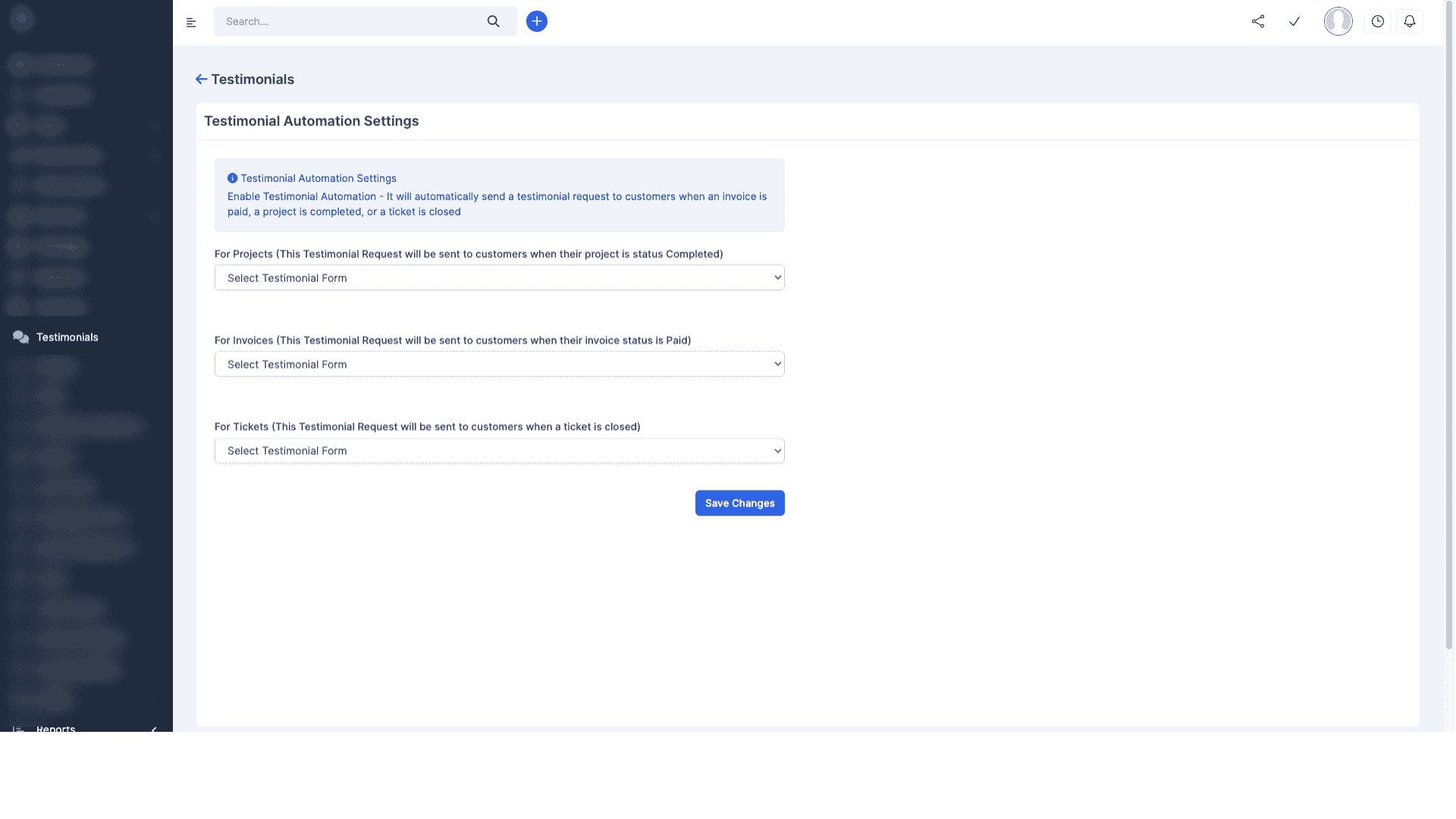
CRM platforms make it easy for businesses to request, collect, and organize testimonials and reviews. Automated feedback forms can be sent to customers after a purchase or project completion. Integration with email and SMS marketing ensures timely reminders for customers to share their experiences. Even WhatsApp and social media plugins can be used to capture feedback instantly.
By storing this information directly in CRM, companies can maintain a repository of customer voices that can be segmented by industry, product, or service. This categorization makes it easy for sales teams to pull relevant testimonials when speaking with potential clients in similar industries.
Turning Testimonials into Marketing Assets
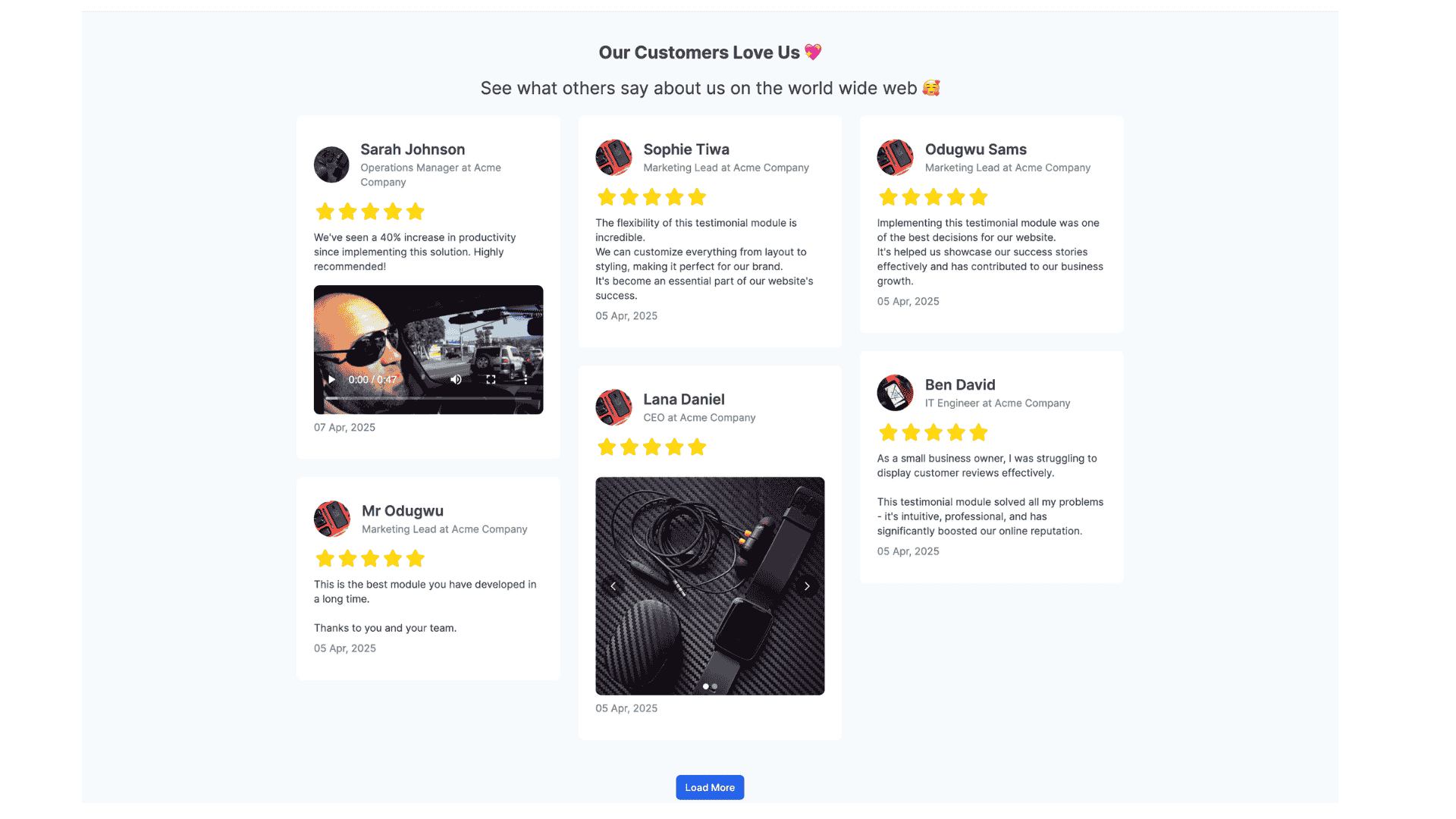
Once collected, testimonials can be transformed into powerful marketing tools. They can be featured on websites, product landing pages, social media campaigns, and case studies. CRM platforms help automate this process by allowing businesses to tag and share testimonials directly from the database.
For example, TT Infotechs could highlight client testimonials about its CRM automation modules, demonstrating measurable benefits such as reduced manual workload, improved reporting accuracy, or faster response times. These testimonials add authenticity to marketing campaigns and help potential clients visualize the benefits of the CRM solution.
Managing Negative Reviews with CRM
Negative reviews are inevitable, but they don’t have to damage a company’s reputation. In fact, how a company responds to negative feedback often determines whether the customer remains loyal. A CRM system enables businesses to manage negative reviews systematically. Automated alerts can notify teams when a negative review is submitted, ensuring quick follow-up and resolution.
By addressing concerns transparently, businesses show customers that their opinions matter. This turns potentially damaging reviews into opportunities for demonstrating excellent service and building stronger relationships.
Case Study: Testimonials in Action
Consider a mid-sized retail company that implemented TT Infotechs’ CRM with integrated testimonial and review features. The company used automated post-purchase surveys to collect feedback. Over six months, they gathered hundreds of reviews and dozens of testimonials. These were segmented by product category and used in targeted sales campaigns.
As a result, the company saw a 30% increase in lead-to-customer conversion rates. Testimonials highlighted in proposals reassured potential clients, while reviews helped improve customer support processes. This case demonstrates how testimonials and reviews, when effectively managed through CRM, directly impact revenue and customer satisfaction.
The Psychological Impact of Reviews on Customer Decisions
Studies have shown that customers trust peer reviews significantly more than corporate messaging. Positive reviews trigger emotional reassurance, while even negative reviews can be valuable by showing transparency and authenticity. Customers perceive a brand with mixed but well-managed reviews as more trustworthy than one with only perfect ratings. CRM platforms help balance this perception by showcasing a healthy mix of authentic feedback.
Best Practices for Leveraging Testimonials and Reviews in CRM
To maximize the benefits of testimonials and reviews, businesses must follow best practices:
- Request feedback regularly through automated CRM workflows.
- Segment testimonials by industry, product, and customer type for targeted use.
- Respond promptly to negative reviews to show commitment to customer satisfaction.
- Integrate testimonials into sales presentations and proposals for added credibility.
- Highlight diverse voices to ensure representation of different customer experiences.
Future of Testimonials and Reviews in CRM
As artificial intelligence and automation continue to evolve, the role of testimonials and reviews in CRM will only become more significant. AI-driven sentiment analysis will help businesses understand the emotions behind reviews. Predictive analytics will allow CRM systems to forecast customer satisfaction and identify potential advocates based on past reviews. Video testimonials and real-time feedback will become standard features, further enriching CRM capabilities.
Conclusion
Testimonials and reviews are more than just customer feedback; they are the foundation of trust, credibility, and long-term business growth. For companies like TT Infotechs, integrating testimonials and reviews into CRM systems is a powerful way to leverage customer voices, improve processes, and influence potential buyers. By treating every testimonial as an endorsement and every review as an opportunity, businesses can create a feedback-driven culture that strengthens customer relationships and drives sustained success.
At TT Infotechs, we believe that the future of CRM lies in harnessing the power of authentic customer voices. By empowering businesses to collect, analyze, and act on testimonials and reviews, we help organizations build stronger connections and achieve measurable growth. Testimonials and reviews are not just words; they are proof of value — and when managed through CRM, they become a catalyst for success.
Build a Clear Roadmap to Online Growth
Build a Clear Roadmap
Optimize Your Strategy
Thrive with Data
Thrive with Data
Thrive with Data
Thrive with Data
Thrive with Data
Thrive with Data
Thrive with Data

