

SMS Management Module for CRM

SMS Management Module for CRM: A Complete Guide
In the fast-paced digital landscape, businesses are constantly seeking ways to connect with customers in real time. SMS communication remains one of the most effective and reliable channels for direct customer engagement. A dedicated SMS Management Module for CRM empowers organizations to seamlessly integrate SMS into their customer relationship workflows, ensuring timely alerts, personalized promotions, and strong engagement strategies. In this blog, crafted for TTINFOTECHS.COM, we will explore the features, benefits, technical architecture, and best practices of building and using an SMS Management Module for CRM.
Why SMS Management Matters in CRM
Unlike email, which often suffers from low open rates, SMS boasts open rates as high as 98%. This makes it the ideal channel for transactional notifications, appointment reminders, promotional campaigns, and urgent updates. With an SMS Management Module integrated into CRM, businesses can deliver instant messages while keeping all customer communications centralized in one platform.
Core Features of SMS Management Module
The SMS Management Module should offer a variety of features that support both marketing and operational needs. Key functionalities include:
1. Bulk Messaging: Send promotional campaigns or event notifications to thousands of customers simultaneously.
2. Transactional Alerts: Notify customers of order confirmations, payment reminders, shipment tracking, or OTP codes.
3. Two-Way Communication: Allow customers to respond, enabling lead nurturing or support queries.
4. Contact Segmentation: Target campaigns based on customer profiles, purchase history, or demographics.
5. Scheduling: Pre-plan SMS campaigns for specific dates and times.
6. Templates: Save reusable SMS templates for consistency and faster execution.
7. Analytics: Monitor delivery rates, open rates, and response metrics.
8. Automation Triggers: Send SMS automatically when a customer registers, completes a purchase, or misses a payment.
Technical Architecture
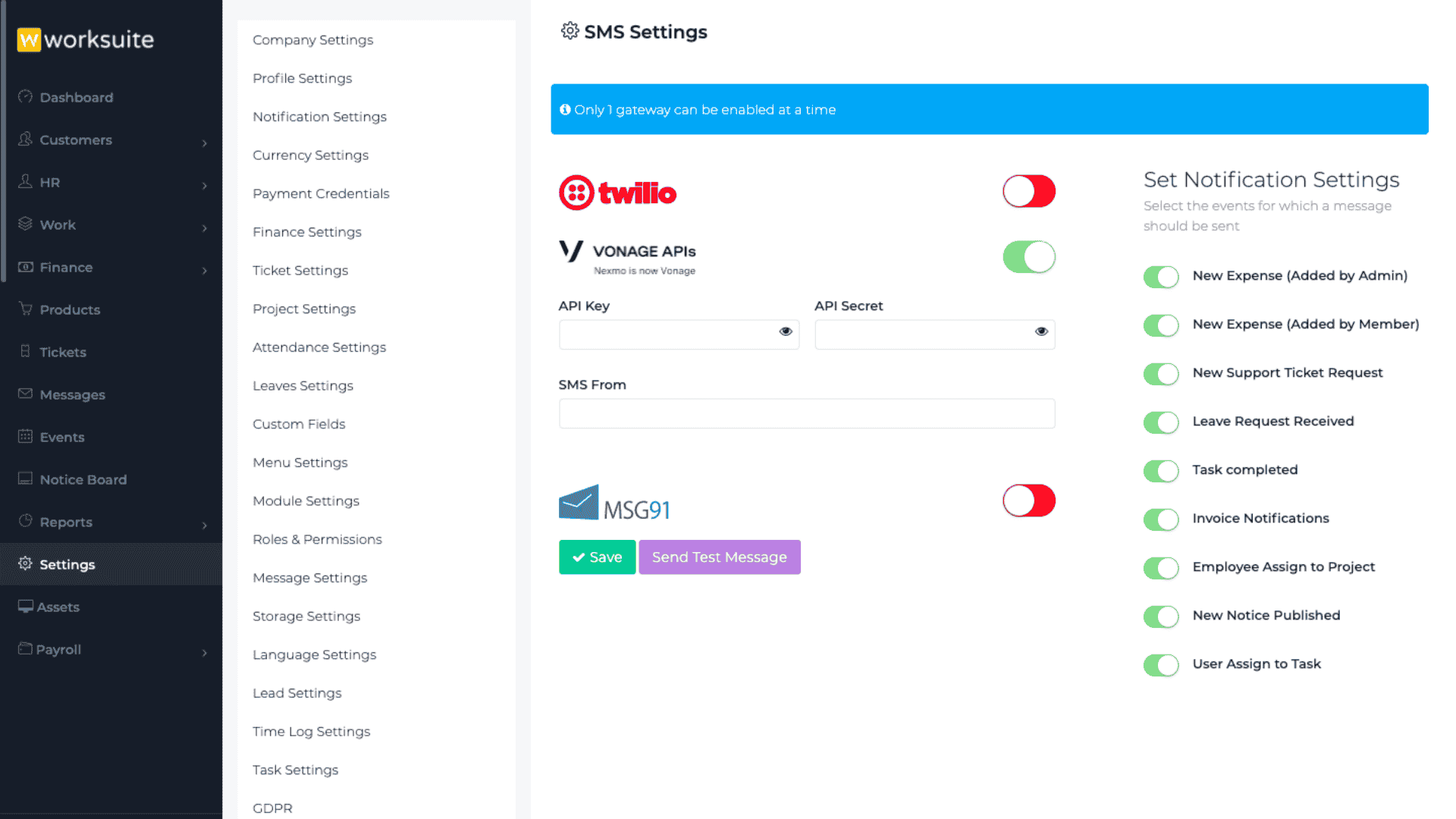
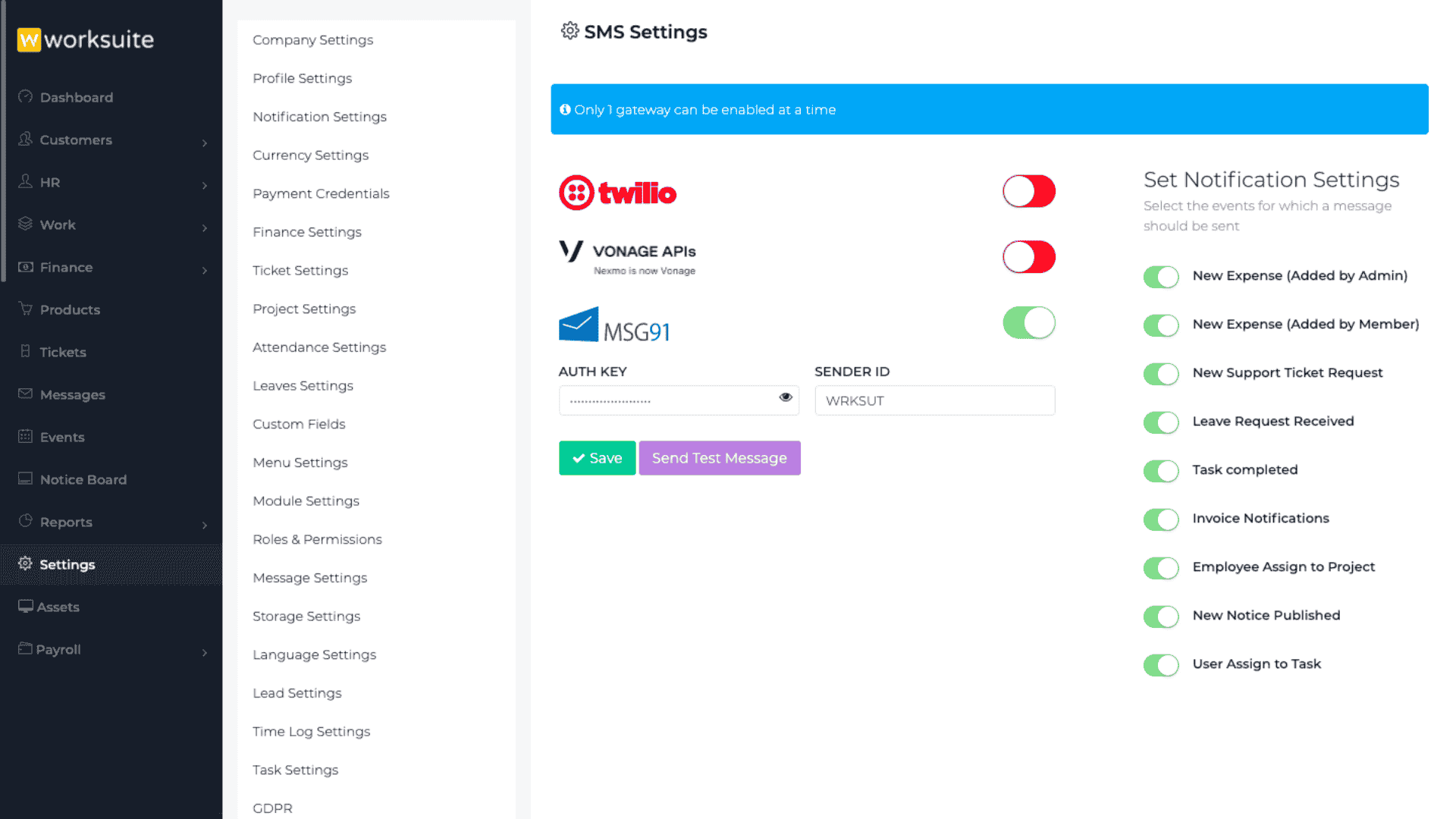
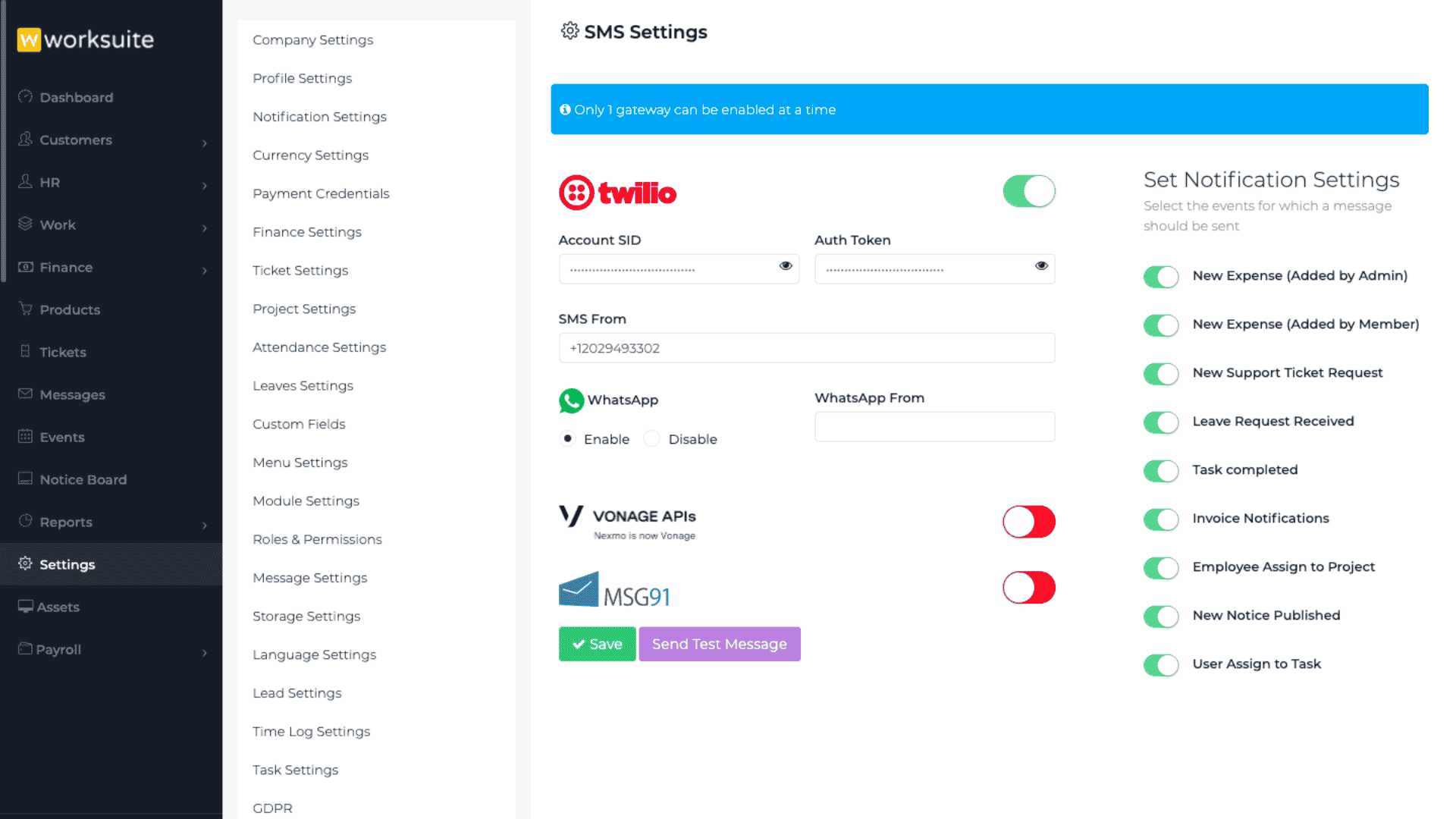
The SMS Management Module integrates with CRM’s core architecture using APIs provided by SMS gateways like Twilio, Nexmo, MSG91, or local telecom providers. The architecture typically consists of:
- SMS Gateway Integration Layer for sending and receiving messages.
- Message Queue for handling bulk requests without overloading systems.
- Scheduler Service to manage timed campaigns.
- Template Engine for predefined message bodies.
- Analytics & Reporting Dashboard within the CRM.
- Database schema for logs, message history, and delivery status.
Database Design
Example tables might include:
- sms_messages: storing message_id, recipient, sender, template_id, status, timestamp.
- sms_templates: storing template_id, template_name, body, placeholders.
- sms_logs: storing delivery status, provider_response, retries.
- sms_campaigns: campaign details including target segment, schedule, and metrics.
Benefits for Businesses
- Faster Communication: Messages reach customers within seconds.
- Higher Engagement: SMS engagement is significantly higher than emails.
- Cost Efficiency: Bulk SMS campaigns are cheaper than traditional advertising.
- Improved Customer Support: Automated reminders reduce missed appointments and late payments.
- Better Conversion Rates: Personalized SMS offers have higher click-through rates.
Integration with CRM Workflows
The module should seamlessly plug into existing workflows. For instance:
- When a lead signs up via Web-to-Lead form, an automated SMS confirmation is sent.
- On invoice generation, a payment reminder SMS is dispatched automatically.
- When a support ticket is updated, the customer receives an SMS notification.
Automation Capabilities
CRM automation rules can be configured to send SMS based on triggers like customer birthdays, renewal reminders, or cart abandonment. With predictive AI analytics, businesses can even identify the best time to send messages to increase response rates.
Compliance and Security
While SMS is powerful, it must comply with regulations like GDPR, TCPA, and DND (Do Not Disturb) lists. The module must include:
- Opt-in/Opt-out management.
- Consent tracking and logs.
- Secure API communication with gateways.
- Data encryption for sensitive customer information.
Future Trends in SMS Management for CRM
The evolution of SMS in CRM will focus on:
- Conversational AI SMS bots for automated responses.
- Rich Communication Services (RCS) to include media-rich content.
- Deeper integration with WhatsApp Business APIs for omnichannel communication.
- AI-driven personalization for maximum impact.
Conclusion
The SMS Management Module for CRM is a game-changer for businesses seeking real-time, high-engagement communication with their customers. From transactional alerts to promotional campaigns, SMS ensures that organizations remain connected to their audience in the most effective way possible. At TTINFOTECHS.COM, we specialize in building robust CRM modules that help businesses unlock the full potential of customer communication. As SMS technology continues to evolve, integrating this module will ensure that your business remains competitive, responsive, and customer-focused.
Build a Clear Roadmap to Online Growth
Build a Clear Roadmap
Optimize Your Strategy
Thrive with Data

