

Promo Codes & Discount Module for CRM

Promo Codes & Discount Module for CRM: A Complete Guide for Profitable, Measurable Promotions
Promotions are powerful—but only when they’re precise. A Promo Codes & Discount Module inside your CRM turns blunt markdowns into targeted, measurable growth levers. This guide outlines how TT Infotechs structures promo logic, governance, data, and analytics so you can run offers that convert without crushing margins, delight customers without training them to wait for sales, and prove incremental lift (not just redemption volume).
Why Your Promo Engine Belongs in the CRM
Checkout is where discounts are applied, but the CRM is where promotions are won. Your CRM knows lifecycle stages, purchase history, engagement, geography, service entitlements, and churn risk. Housing your promo engine here lets you: (1) target by segment and intent, (2) coordinate multi-channel delivery (email, SMS, WhatsApp, in-app), (3) enforce consistent rules across web, app, and POS, and (4) attribute redemptions to campaigns, not guesswork. Finance gets clean reconciliation; Marketing gets rapid tests; Support gets context; Customers get relevance.
Core Capabilities to Include
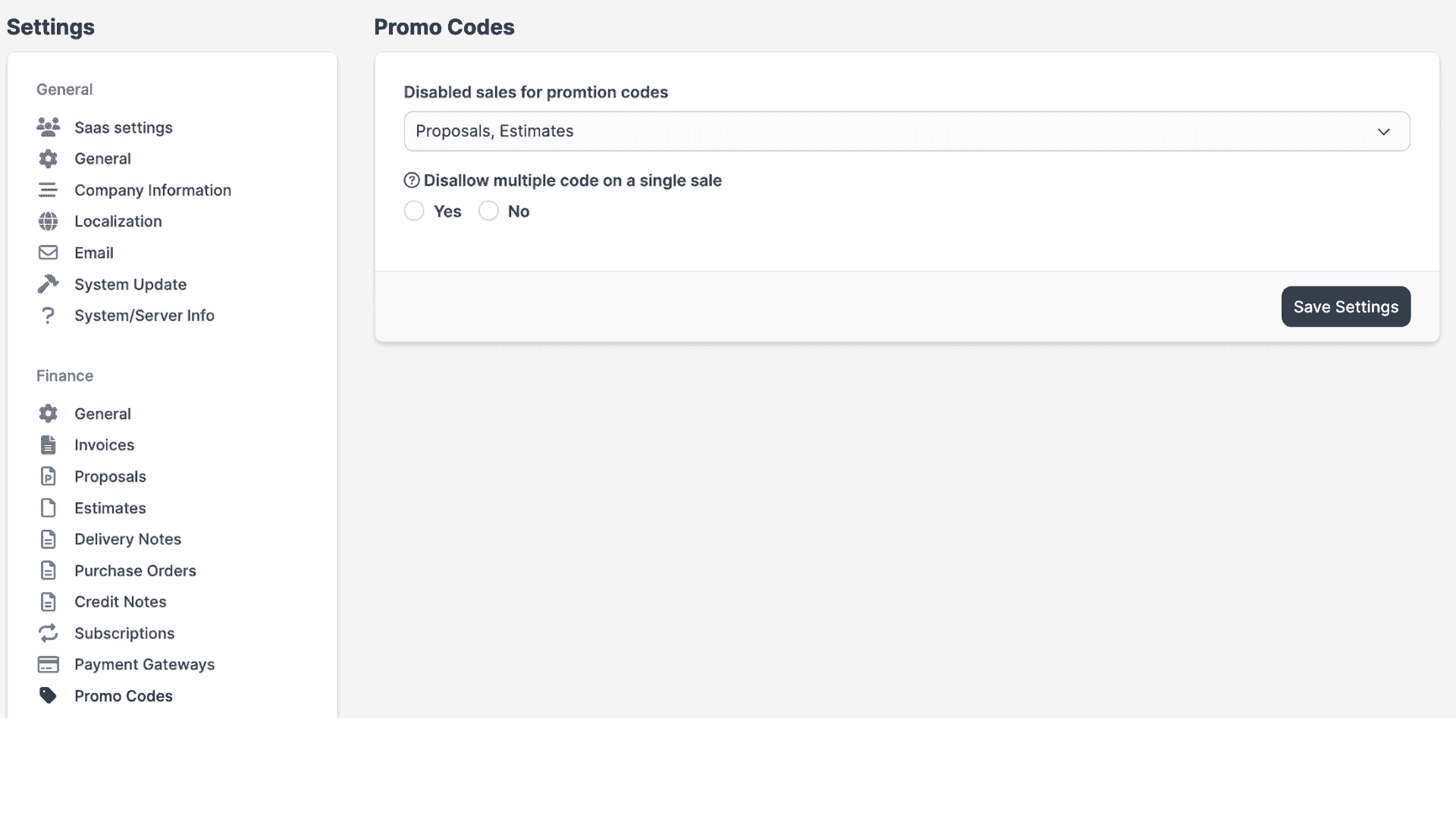
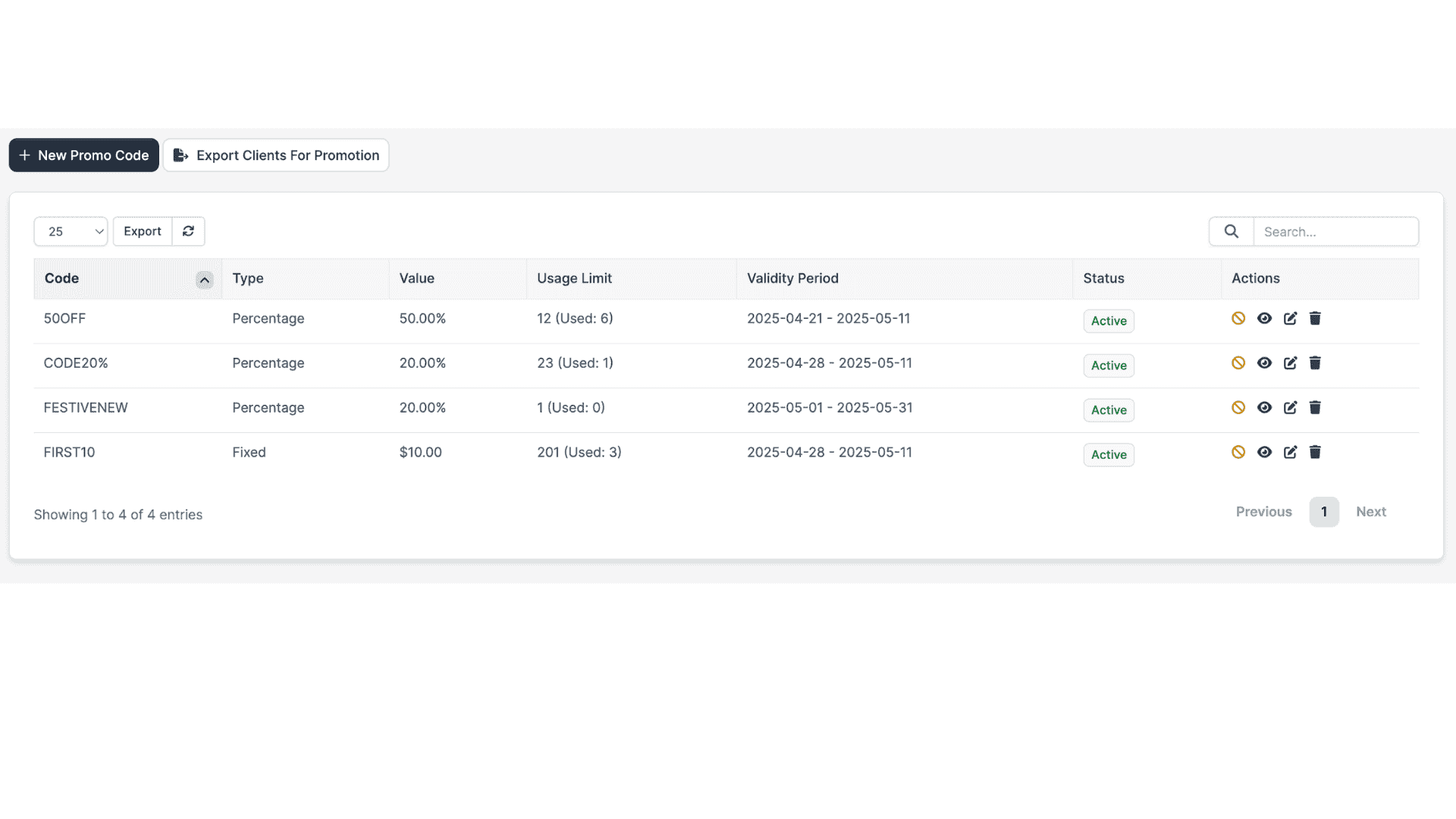
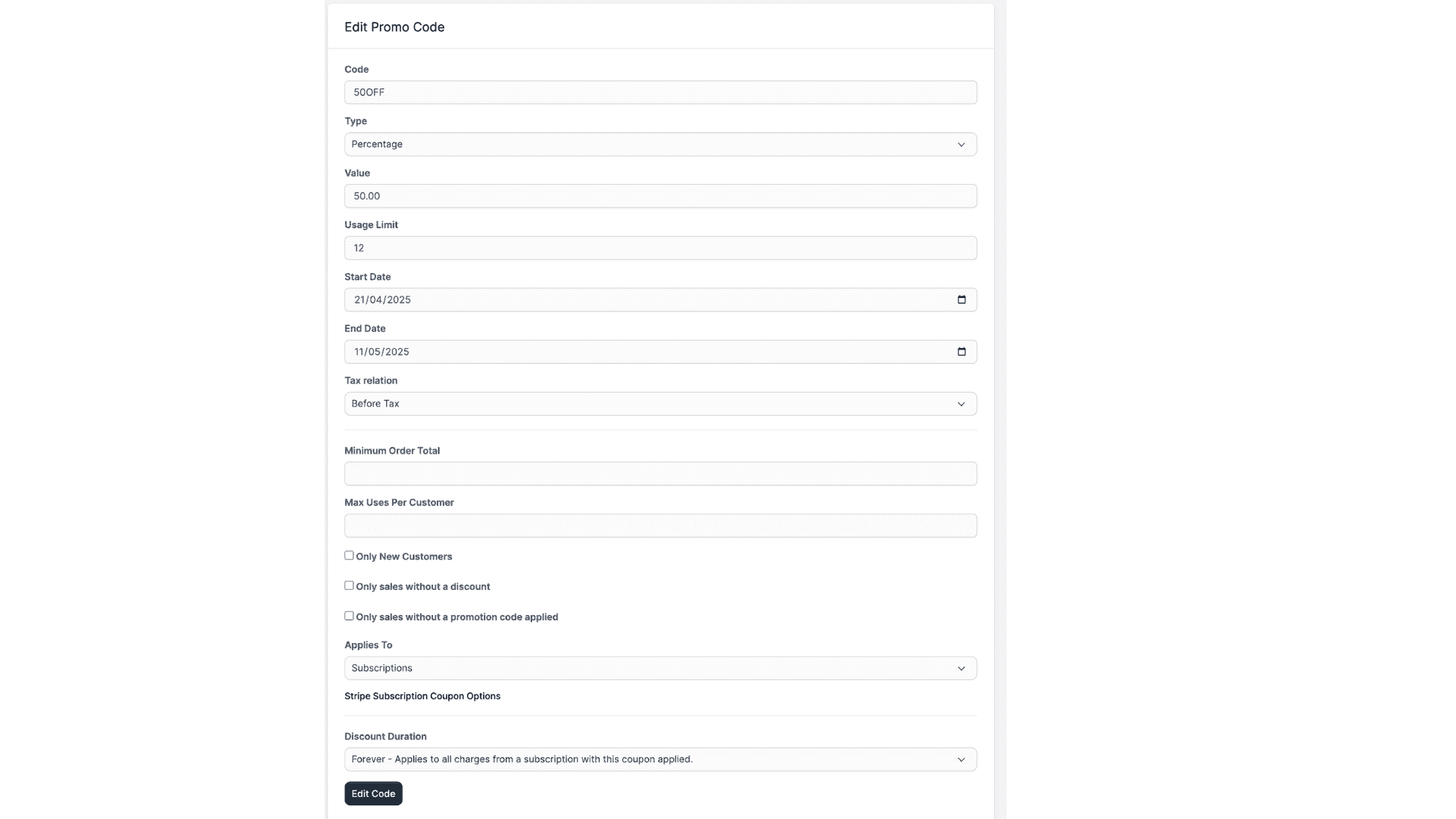
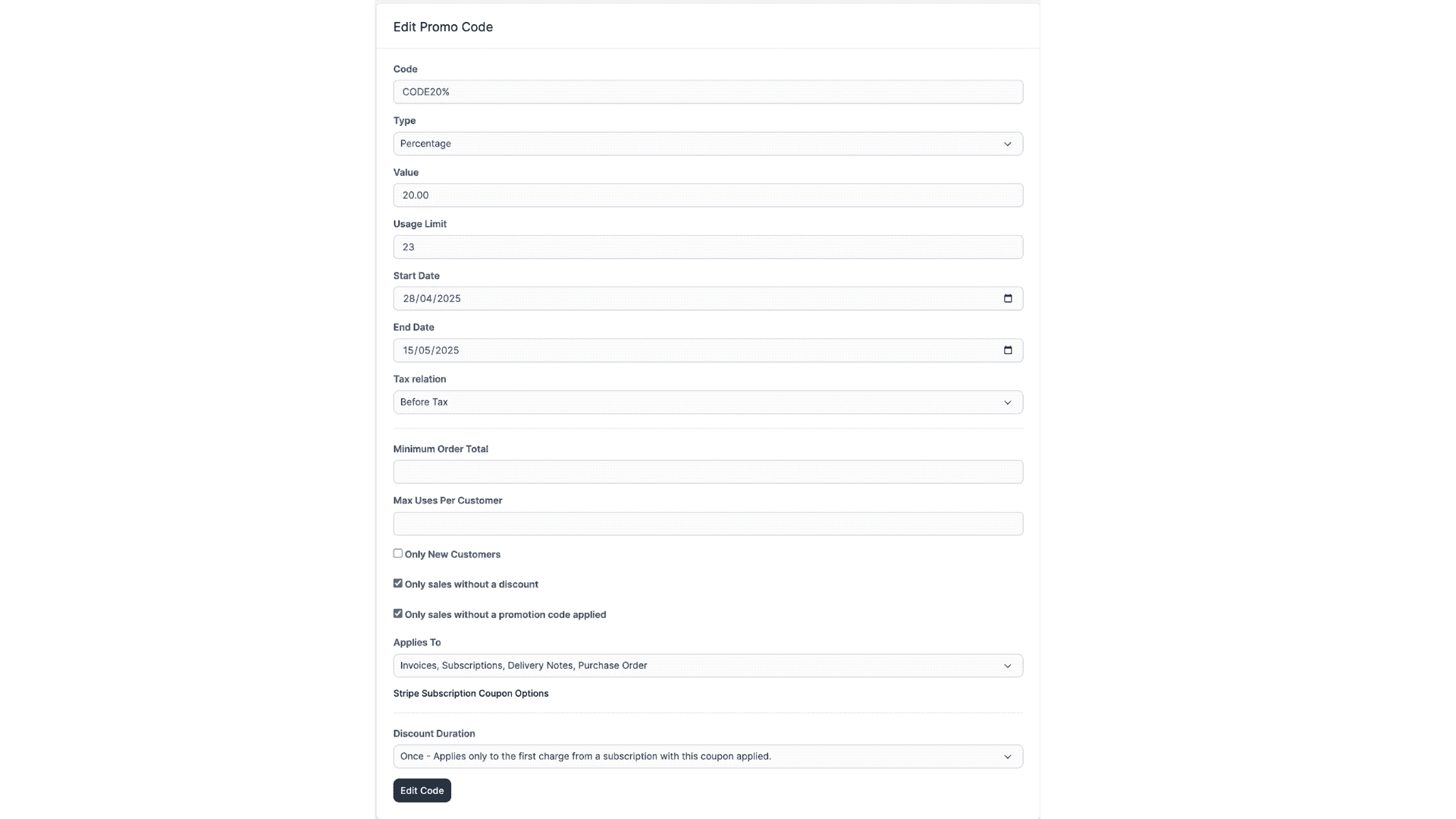
Offer Types: percentage off, fixed amount off, free shipping/fees, BOGO and BXGY, tiered thresholds (spend more, save more), bundles, loyalty/VIP exclusives, new customer welcome, win-back, referral rewards, subscription intro pricing, and partner/affiliate codes.
Eligibility Rules: new vs existing customers, first paid order, minimum order value, product/category/brand inclusion or exclusion, location or store list, payment method constraints, channel restrictions, inventory gates, customer tags (VIP, student, wholesale), fraud flags, and device/account limits.
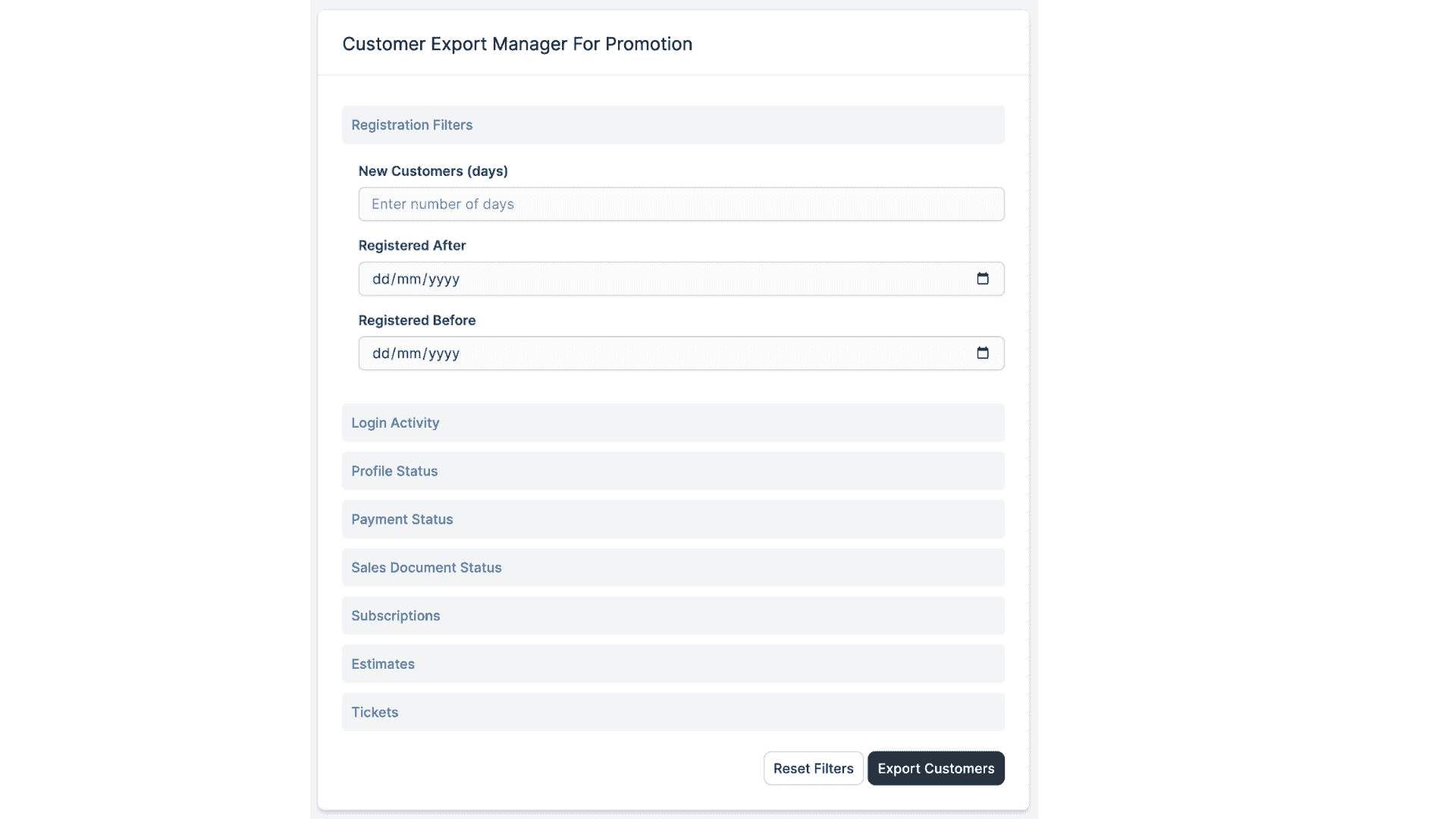
Distribution: universal codes, unique single-use codes, dynamic on-demand codes, QR issuance for in-store, timed “drops”, birthday/anniversary journeys, post-purchase and win-back flows, and abandoned-cart triggers.
Redemption Controls: start/end dates, daily caps, global caps, per-customer limits, stack/priority logic, blackout periods, returns policy coupling, and subscription recurrence rules (apply on N cycles).
Validation & Audit: real-time checks, friendly error reasons, immutable logs, and supervisor overrides with reason codes.
Attribution & Analytics: campaign/source tagging, holdout groups, incremental revenue and margin, AOV and attach-rate shifts, repeat purchase impact, churn effects, and refund/abuse monitoring.
Data Model (CRM Objects)
Campaign: objective, budget, KPI, channels, dates, experiment design. One campaign can power many offers.
Offer: type, value, rules (eligibility, constraints), stacking policy, schedule, markets, attribution tags.
Code: token (universal or unique), max redemptions, assigned contact (for unique), generated-at source.
Audience: dynamic segment query (e.g., “RFM: High-value lapsed 90–180d, city=Delhi, category interest=Electronics”).
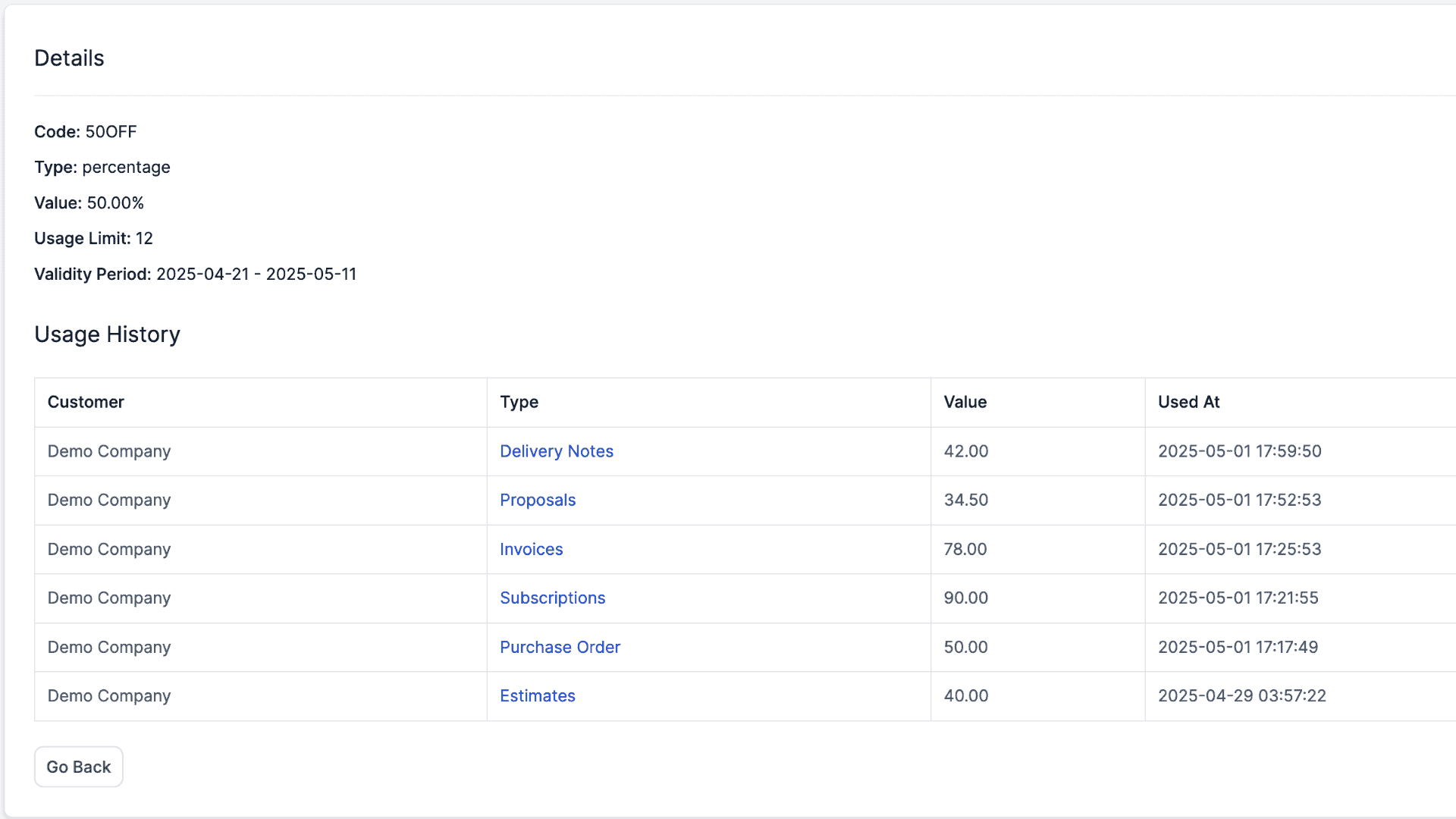
Redemption: contact, order/deal, code, discount amount, reason (accepted/rejected w/ cause), channel, timestamp.
Attribution: campaign → message → click → session → order; supports MMM/MTA and source-of-truth finance tie-out.
Offer Strategy: Matching Tactics to Objectives
Welcome Offers: gentle (5–10%) with clear first-purchase validation. Avoid cannibalizing returning buyers by tying to “first paid order” in CRM, not cookies.
Threshold Discounts: “₹500 off ₹3,000+” nudges AOV. Set thresholds from contribution margin, not guesswork; test two thresholds to find elasticity.
Category Push: discounts bounded to categories/brands with inventory goals; add attach-rate incentives (e.g., accessories at 20% off when buying a phone).
Win-Back: time-boxed unique codes for lapsed cohorts (90–180 days). Pair with limited SKUs to protect margin; include expiry reminders.
VIP/Loyalty: smaller discounts + better perks (priority support, early access) to protect value while rewarding loyalty.
Subscription: intro pricing for X cycles, upgrade credits, or “pause-don’t-cancel” save-offers triggered by churn signals captured in CRM.
B2B/Wholesale: contract-based price lists plus promo overlays for overstock or quarter-end goals; restrict stacking and enforce PO references.
Governance & Fraud Controls
Promos invite abuse if controls are weak. Enforce per-customer caps (account, phone, device fingerprint), bot throttles, geo/IP checks, and payment method patterns. Block throwaway emails by domain risk scores; flag refund-seekers with high RMA rates; disallow stacking collisions. Keep an override path for supervisors with reasons captured for audits. Publish policy—clarity reduces disputes and support volume.
Customer Experience: Clear, Fair, Friendly
Great CX amplifies conversion. Show eligibility up front (product pages, cart banners). When a code is rejected, explain why (“Only for first order”, “Minimum ₹3000”). Respect accessibility: readable inputs, simple copy, concise terms. When codes are personal, show the customer’s name and expiry with a reminder cadence via email/SMS/WhatsApp.
Testing & Measurement (Proving Incrementality)
Holdouts: reserve 10–20% of a segment as no-offer control. Compare conversion, AOV, and margin vs. exposed group—this is your lift, not just redemptions.
Split Tests: value (10% vs 12%), threshold (₹2,999 vs ₹3,499), expiry windows (48h vs 7d), and messaging (“Save now” vs “Early access”).
North-Star Metrics: incremental revenue & gross margin, repeat purchase rate, payback period, attach rate, and post-promo refund/return spikes.
Cadence Hygiene: cap promo frequency per customer; track “percent of orders discounted” by cohort to avoid discount addiction.
Distribution Playbook (Omni-Channel from CRM)
Email: best for detailed offers, terms, and visuals. Include plain-text fallback and scannable code or deep link.
SMS/WhatsApp: concise copy with code and expiry; deep link to pre-applied cart; optional reminder on T-24h.
On-Site/In-App: exit-intent, new-visitor welcome, and cart drawer hints; authenticated banners for personal codes.
In-Store: QR codes linked to unique code issuance; POS validation with CRM sync to prevent re-use.
Partners/Affiliates: distinct universal codes for each partner for clean attribution and payout.
Stacking Logic & Priority Rules
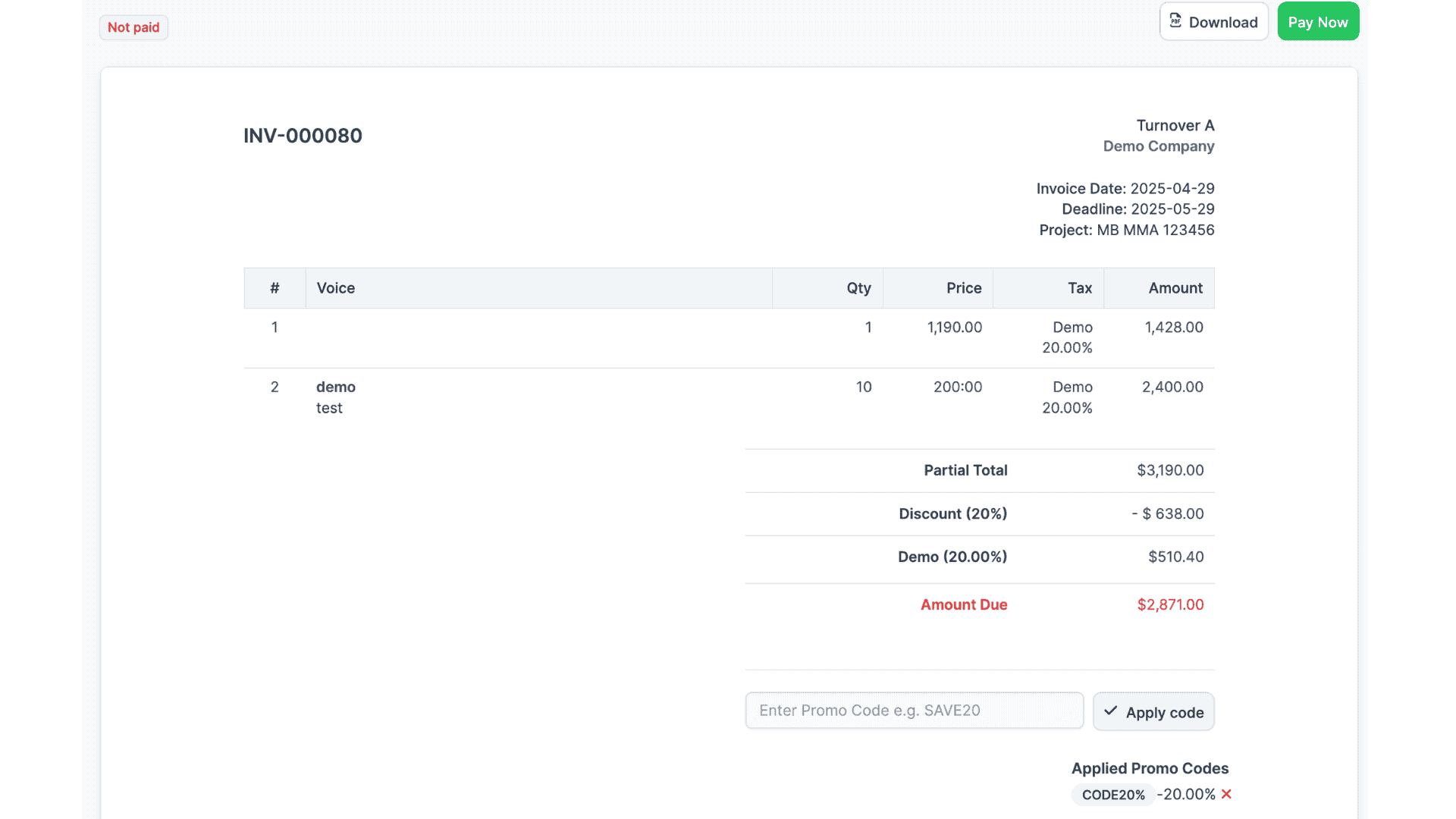
Define a priority tree (auto promos > loyalty perks > manual codes) and a “best price wins” safeguard. Allow stacking only when business intent requires it (e.g., free shipping + small percent off). Surface the math to the customer so there’s no mystery. Log the final discount breakdown to the order for finance and support.
Pricing Integrity & Margin Protection
Guardrails keep promos profitable: minimum price floors, excluded SKUs/brands, contribution margin checks at validation, and inventory-aware throttles. Couple return policies to promo type (store credit vs refund for deep clearance). Alert finance if promo share of orders breaches thresholds.
Lifecycle Journeys Powered by Promos
Acquisition: ad→lead capture→welcome code→first order→post-purchase cross-sell.
Activation: trial sign-up→usage milestone→limited-time upgrade credit.
Retention: churn risk detected→save offer (pause + credit)→success tracking.
Win-Back: 120-day lapse→personal unique code→reminder→survey for blockers.
Loyalty/VIP: tier upgrade→early access events, not just deeper discounts.
B2B & Subscription Nuances
B2B: approval workflows, budget centers, PO requirements, per-account code pools, and channel partner attribution. Focus offers on volume tiers or overstock clearance windows.
Subscriptions: intro pricing with explicit cycle count, proration logic, upgrade credits, and pause incentives at cancellation. Track lifetime margin, not just first-month lift.
International & Tax/Legal Considerations
Localize currency, thresholds, and terms. Respect price display regulations and coupon laws (e.g., clear end dates, exclusions). Ensure tax is computed on pre- or post-discount according to jurisdiction. Keep accessible, human-readable terms for disputes and compliance.
Support & Operations Readiness
Give agents a “Promo History” tab on the contact: issued codes, status, attempts, rejections, and notes. Provide guided flows for good-will credits, with limits and audit. Publish a knowledge base of live offers and FAQs to reduce tickets. Monitor common rejection reasons to refine rules and copy.
Dashboards that Matter
Executive: incremental revenue & margin by campaign, discount share of orders, and CAC payback.
Marketing/Growth: lift vs holdout, channel attribution, frequency caps hit, cohort repeat impact.
Merch/RevOps: AOV, attach rates, inventory velocity, price floor breaches.
Finance/Compliance: accruals, refunds linked to promos, override monitoring, and audit trails.
Common Pitfalls & How to Avoid Them
Over-discounting: watch promo share and margin dashboards; use perks over price cuts for VIPs.
Leaky Eligibility: validate “first order” in CRM, not cookie; tie codes to contact where possible.
Poor Messaging: rejected codes without reasons kill trust. Always show the why and how to qualify.
Attribution Fog: tag codes by campaign and channel; default last-touch but audit multi-touch.
No Holdouts: you can’t prove lift without a control group—bake it in by default.
Sample Playbooks by Industry
E-commerce: threshold bundles, category boosts, seasonal drops with early access for loyalty tiers.
Food & Beverage: day-part/time windows, new-store launch codes geofenced to radius, upsell sides.
Healthcare/Wellness: package credits, renewal nudges, compliance-safe phrasing, and appointment-based triggers.
Education: semester bundles, referral awards, student verification gating.
Services & Real Estate: consultation credits, move-in bundles, partner co-promo tracking.
SaaS: trial-to-paid nudges, seat expansion credits, annual prepay discounts tied to NPS and usage.
Making It Personal (Without Leaking Margin)
Use behavioral signals (browsed, added to cart, viewed pricing) to send small, fast-expiring nudges. Swap blanket codes for unique, CRM-issued tokens. Combine price with non-price benefits (setup help, extended returns, priority support). Personalization ≠ deeper discount—make the offer feel bespoke in timing and copy, not just math.
Roadmap: Crawl → Walk → Run
Crawl: universal codes, clear terms, base analytics, and manual QA. Establish floors and exclusions.
Walk: unique codes, dynamic segments, omni-channel delivery, baseline holdouts, and supervisor overrides.
Run: real-time scoring, inventory-aware promos, ML-based value selection, full MTA, and lifetime value optimization. Introduce perk-heavy VIP programs to de-emphasize price.
What TT Infotechs Delivers
We implement a CRM-native Promo Codes & Discount Module with robust rule builders, audience targeting, real-time validation APIs, code issuance (universal/unique/dynamic), POS/web/app connectors, fraud controls, holdout-first experimentation, and finance-grade reporting. The result: promotions that serve strategy, protect margin, and scale globally with confidence.
Conclusion
Promotions should be precision tools—not blunt instruments. By anchoring your Promo Codes & Discount Module in the CRM, you align offers to customer journeys, enforce clean rules, and measure true lift. That’s how you turn discounts into durable growth. With TT Infotechs, you get the data design, guardrails, and workflows to make every promotion count—today and at scale.
Build a Clear Roadmap to Online Growth
Build a Clear Roadmap
Optimize Your Strategy
Thrive with Data
Thrive with Data
Thrive with Data
Thrive with Data
Thrive with Data

