Business Process Modelling 1.0.6. module for CRM

Business Process Modelling 1.0.6 Module for CRM
In today’s highly competitive digital world, customer relationship management (CRM) solutions have evolved beyond simple databases for storing client information. Businesses now require advanced tools that streamline operations, optimize workflows, and align every department with their overall strategy. One of the most impactful advancements in CRM systems is the **Business Process Modelling (BPM) 1.0.6 Module**, designed to revolutionize the way organizations manage their business operations.
Introduction to Business Process Modelling in CRM
Business Process Modelling (BPM) is the practice of visually mapping, analyzing, and optimizing workflows. Within CRM, this approach ensures that customer-related processes are clearly structured and aligned with business objectives. The **BPM 1.0.6 Module for CRM** provides a highly configurable toolset that allows companies to create, automate, and optimize workflows across sales, marketing, finance, support, and operations.
Why BPM 1.0.6 Module is Essential for Modern Businesses
Traditional CRMs often focus only on storing contact details and tracking sales activities. However, growing organizations require deeper insights into customer journeys, departmental collaboration, and performance bottlenecks. The BPM 1.0.6 module addresses this by:
- Mapping end-to-end workflows for better clarity. - Identifying inefficiencies and automating repetitive tasks. - Connecting teams and aligning them with organizational goals. - Offering analytics to measure process efficiency.
Core Features of BPM 1.0.6 Module for CRM
The BPM 1.0.6 module is packed with advanced features that help organizations streamline their operations. Some key functionalities include:
1. Drag-and-Drop Process Designer: Create workflows easily using an intuitive visual builder. Non-technical users can map processes without coding knowledge.
2. Workflow Automation: Automate approvals, lead assignments, ticket escalations, and notifications to reduce manual tasks.
3. Multi-Department Integration: Link processes across sales, HR, finance, and support for seamless communication and task delegation.
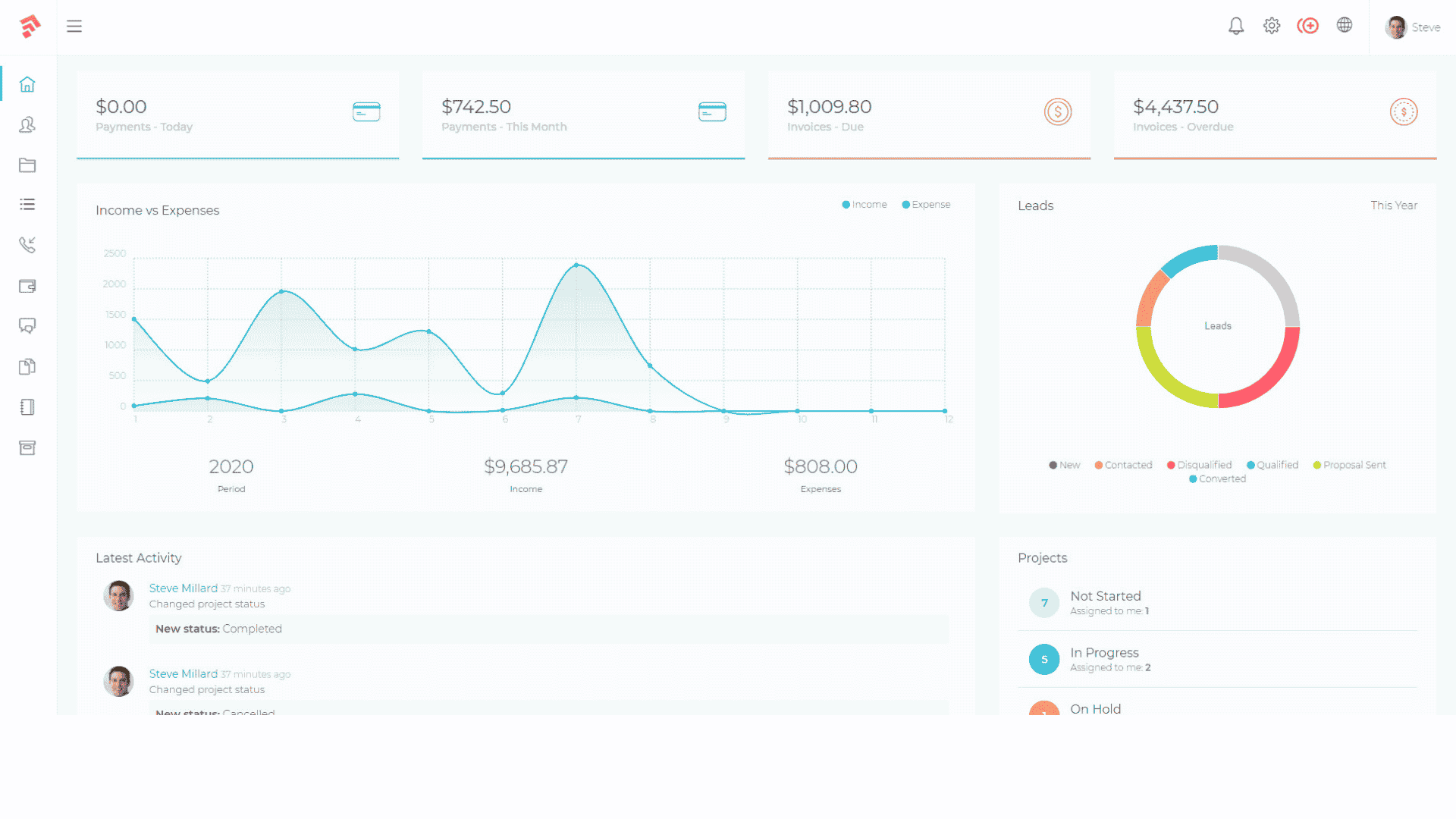
4. Real-Time Monitoring: Track process execution, task completion, and workflow performance through interactive dashboards.
5. Business Rules Engine: Set conditions and triggers to automate actions based on customer behavior, data updates, or task statuses.
6. Process Templates: Use pre-built templates for common workflows like lead management, onboarding, payroll approvals, and customer support handling.
Benefits of Using BPM 1.0.6 in CRM
Implementing the BPM 1.0.6 module brings numerous advantages to organizations of all sizes:
- **Improved Productivity:** Automating repetitive workflows saves time and allows employees to focus on critical tasks. - **Enhanced Customer Experience:** Streamlined processes ensure customers get faster responses and consistent service. - **Data-Driven Decisions:** Built-in analytics provide insights into process performance and customer journeys. - **Cost Reduction:** Reduces dependency on manual labor and minimizes errors. - **Scalability:** As your business grows, the module can easily adapt to evolving needs.
Use Cases of BPM 1.0.6 Module for CRM
The versatility of BPM 1.0.6 makes it suitable for multiple industries. Some real-world use cases include:
- **Sales Automation:** Automating lead scoring, nurturing, and deal closing. - **Customer Support:** Managing ticket escalations, SLA compliance, and service workflows. - **HR Management:** Streamlining recruitment, onboarding, leave approvals, and payroll processes. - **Finance & Accounting:** Automating expense approvals, invoice tracking, and financial reporting. - **Marketing:** Running multi-channel campaigns, tracking customer engagement, and optimizing ROI.
Integration Capabilities
The BPM 1.0.6 module seamlessly integrates with existing CRM functionalities and third-party applications. Whether you are connecting with email systems, payment gateways, or customer support software, the module ensures smooth synchronization, reducing data silos and improving collaboration.
Future of BPM in CRM
With the rise of artificial intelligence and predictive analytics, BPM in CRM is becoming smarter. Future versions of BPM modules will include AI-driven process optimization, robotic process automation (RPA), and advanced predictive analytics to forecast business outcomes. This evolution will make BPM not just a management tool but a strategic asset for every organization.
Conclusion
The **Business Process Modelling 1.0.6 Module for CRM** is a game-changing addition for businesses that aim to optimize workflows, enhance customer engagement, and drive overall efficiency. By combining automation, visualization, and data-driven insights, the module empowers organizations to stay competitive in today’s fast-paced market. Whether you’re a small business or a large enterprise, adopting BPM 1.0.6 ensures that your processes remain agile, scalable, and customer-centric.
Build a Clear Roadmap to Online Growth
Build a Clear Roadmap